

If Your AI Always Says Yes, Don’t Trust It
AI seems so powerful because it is so willing to help. Most of the time, it will explain something if you ask it to. If you ask it to turn that explanation into a suggestion, it will often keep going without much thought. If you push it a little more, it might start suggesting actions, swaying decisions, or coming up with plans for problems that aren't fully defined yet. At every stage, the same system can seem helpful. It keeps the conversation going, but it doesn't often stop to see if it is still doing its job in a responsible way.
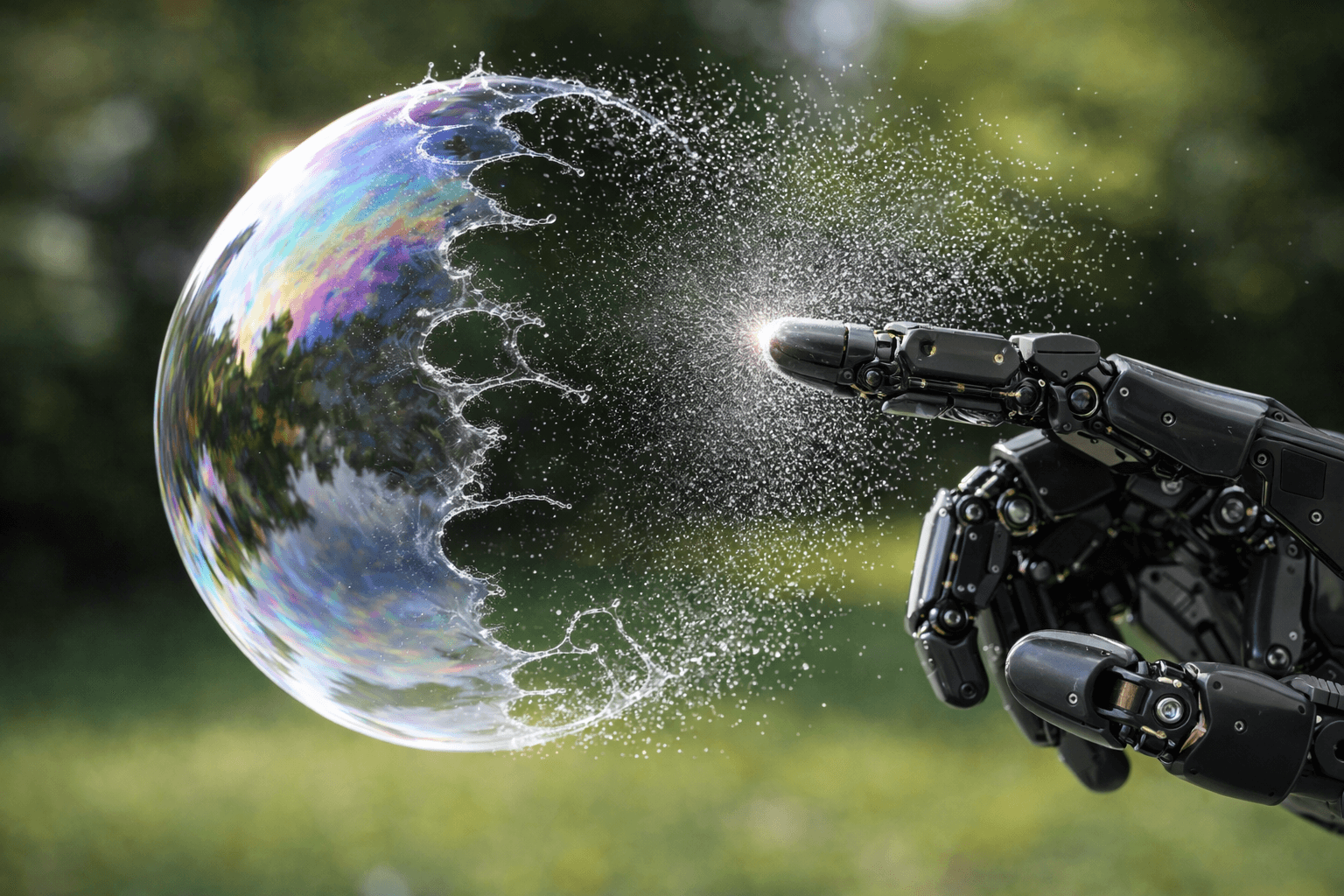
That may seem impressive at first, but it could also be the wrong thing to do for a serious tool. We already know what happens when a system keeps giving us more of what seems to work. Social media feeds do this all the time. They find out what keeps us interested and keep doing it, not because it's fair or useful, but because it's an easy way to keep us interested and engaged. Over time, that can make a bubble that feels normal on the inside but looks like it's getting smaller and harder to get out of on the outside.
AI can also make a bubble like that. If it keeps agreeing with the user's framing, following the same line of thought, and hiding its own uncertainty, the interaction is easy to keep going but hard to judge. The user hears a more fluent and confident version of their own direction.
That's a problem for an engineering tool. A serious tool should make things easier for the brain, not harder. The user shouldn't have to keep second-guessing the answer, wondering if the system is right or just giving them what it thinks they want to hear to keep the conversation going.
The problem with a system that never fights back
A lot of AI behaviour is meant to make sure people follow the rules instead of being useful. A system might answer more than it knows, go on longer than it should, or sound unsure in the same calm voice it uses when it is sure of itself.
The result isn't always a clear mistake; more often, it's a system that sounds like it can do what it's supposed to do and is reassuring, even when it's not clear what it's good at. That might be okay in a general AI assistant where conversation flow is part of the product. It is not as useful in an engineering tool where the standard is not smoothness but reliable technical behaviour.
It should tell you if it doesn't know the answer, should say if the request is too much for it to handle, should also be clear if it can only help with part of a task and not the whole workflow. In real life, saying no to the user doesn't always mean refusal; it just means limiting the task to something the system can handle safely.
The real problem is that a system that never resists makes the user do all the boundary work. A tool that keeps sounding useful after it has moved beyond its real footing does not create trust it just creates extra work. The user has to decide not only if the information is useful, but also if the answer should have been given in the first place. This can be hard to do when the information is presented in a very slick way.
Why limits are a sign of quality
No trustworthy system acts like it has no limits. People trust good systems because they work well within a set range of conditions. The problem doesn't always mean immediate failure outside of that envelope. Behaviour is harder to predict and trust more often. The system might still do something, but you no longer trust that it will.
AI tools are the same. A reliable system should be able to tell when a task is within its scope, when it doesn't have all the information it needs, and when the user is asking it to do more than it can handle. Sometimes the best answer isn't a polished one, but a clear limit: this is something it can't do, it doesn't know how to do it, or it can help with one part of the workflow but not the whole thing. These are not signs of weakness. They show that the system knows what it is supposed to do and can stick to it.
Popping the bubble
I always have doubts when I'm using the newest AI systems and they give me results I want to hear. Am I in a bubble? Do I need to go outside of it, look for other sources, and make sure what it's saying is true? That is something I have gotten used to. What happens as these systems change is the more worrying thought. A system can definitely get better at making the user feel comfortable. The next version might seem smarter just because it is more fluent, more personalised, and better at keeping the user in that bubble.
I think a serious engineering tool should do the opposite. It should help the user get out of their own frame of mind when they need to. It should resist when the task is too loose, qualify when the evidence is weak, and say no when the request goes beyond what it can responsibly support.
You can build this helpful friction into an AI system. You can include clear scopes and reliable behaviour baked into the system. The goal is not to make AI colder or narrower just for the sake of it; the goal is to make it useful in a way that people can trust.
From a broader viewpoint that could indicate an alternative future for AI than what is commonly envisioned. There may not be one super-smart mega-AI in the future that tries to do everything for everyone. It could be a growing number of more specific AI tools, each with a clear job, clear limits, and a better reason to be trusted.
AI tools gain trust not by saying “yes” to everything, but by being engineered with limitations and useful friction, enabling them to refuse requests when needed.
This article is part of our Building Trustworthy AI Systems series exploring how reliability, control, and system design are important for engineering AI systems.
These ideas inform the development of Cyclone Sage, an AI assistant we are building focused on structured, reliable system design.
If you’re working on similar challenges or exploring how AI can be applied reliably in technical environments, feel free to get in touch at support@orthrussoftware.com